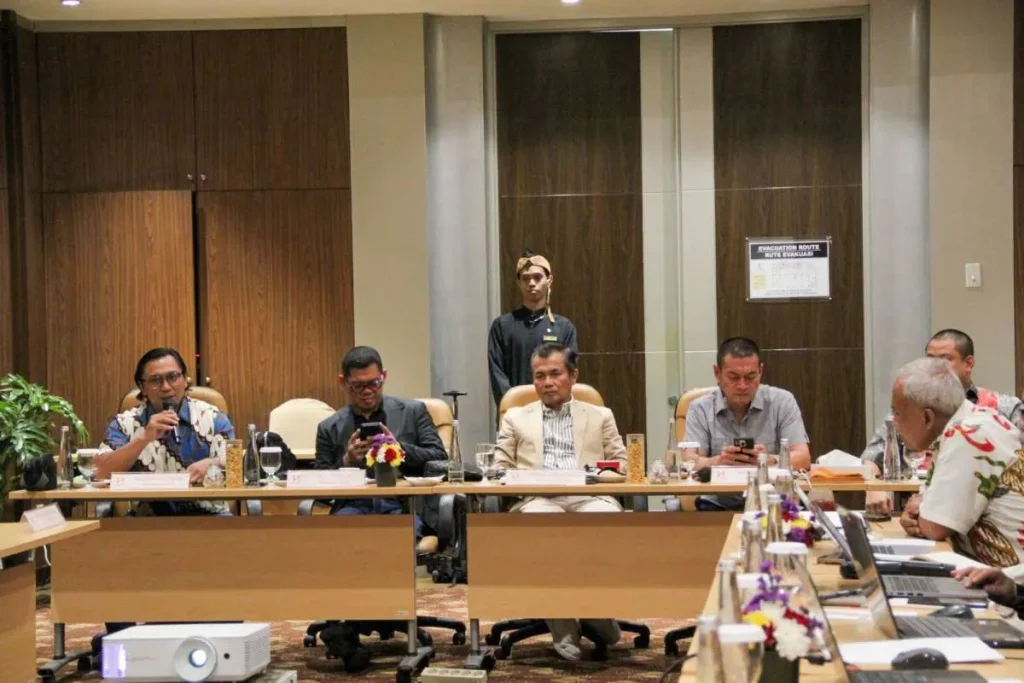
JAKARTA, POJOKBACA.ID – PT Intikeramik Alamasri Industri (IKAI) has unveiled a new leadership team. The appointment of Tedjodiningrat Broto Asmoro as Commissioner will strengthen the positions of William Daniel and Bernardus Djonoputro in fulfilling IKAI’s strong commitment to good corporate governance. Tedjodiningrat, Bernardus, and William Daniel are expected to further facilitate IKAI’s progress toward realizing its vision of real and sustainable growth. These influential and experienced figures instill optimism that IKAI’s business ecosystem will continue to improve following significant growth in its two main business pillars: Manufacturing and Hospitality. IKAI’s Chairman of the Board of Commissioners, William Daniel, stated that the appointment of Tedjodiningrat Broto Asmoro as a Commissioner of IKAI was carried out at the Annual General Meeting of Shareholders (AGM) for the 2025 Fiscal Year, held on Tuesday, June 30, 2026.
Tedjodiningrat is an ideal choice for the position of Commissioner, as this man—born in Surabaya on June 20, 1976—brings a wealth of experience. Tedjodiningrat will strengthen Bernardus’s role in urban planning, regional development, and infrastructure financing to facilitate the implementation of IKAI’s vision, which has been divided into several phases: the Reconditioning Phase in 2026, the Optimization Phase in 2027, and the Expansion Phase beginning in 2028. According to Daniel, Bernardus was the first CEO of the Rebana Metropolitan Management Authority in West Java, Indonesia. With over 35 years of experience in urban planning, regional development, and infrastructure financing, he has held senior positions at various leading consulting firms such as Deloitte, EY, and PwC.
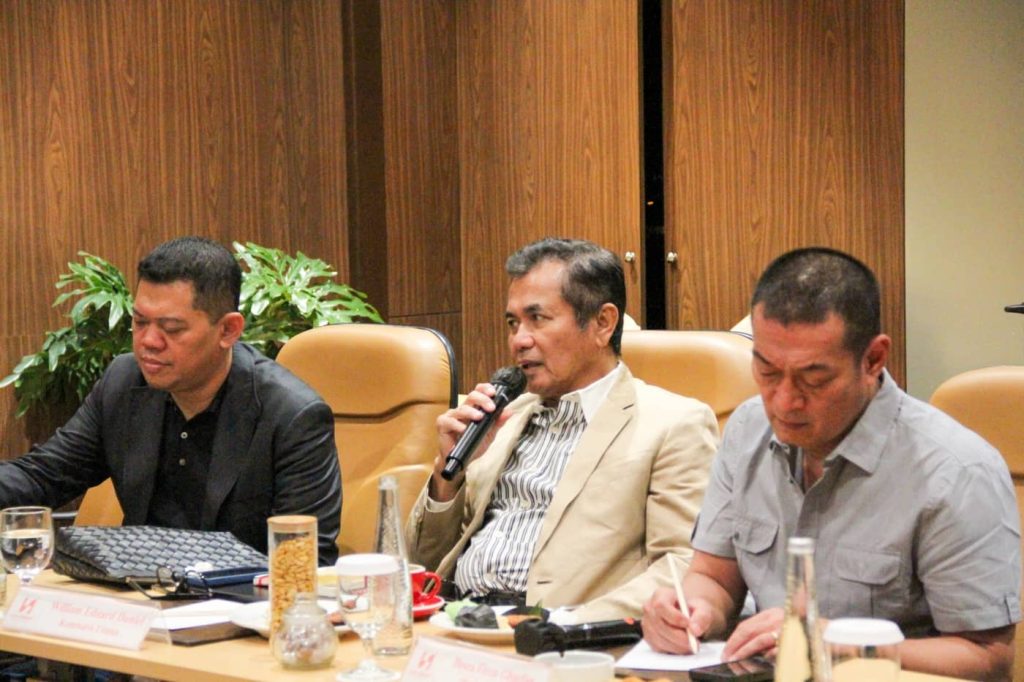
“Currently, he leads the Rebana Metropolitan Management Authority, one of the fastest-growing economic corridors in Indonesia, which is home to more than 10 million residents and encompasses an industrial area spanning 42,000 hectares,” said Daniel. Turning from Negative to Positive At IKAI’s annual shareholders’ meeting, the Company’s CEO, Desra Ghazfan, explained that the Annual General Meeting of Shareholders (AGM) for Fiscal Year 2025, held on Tuesday, June 30, 2026, reflects IKAI’s strong commitment to implementing good corporate governance. At the Annual General Meeting, IKAI presented five key agenda items that reflect its commitment to and consistency in achieving strong growth through the implementation of good corporate governance.
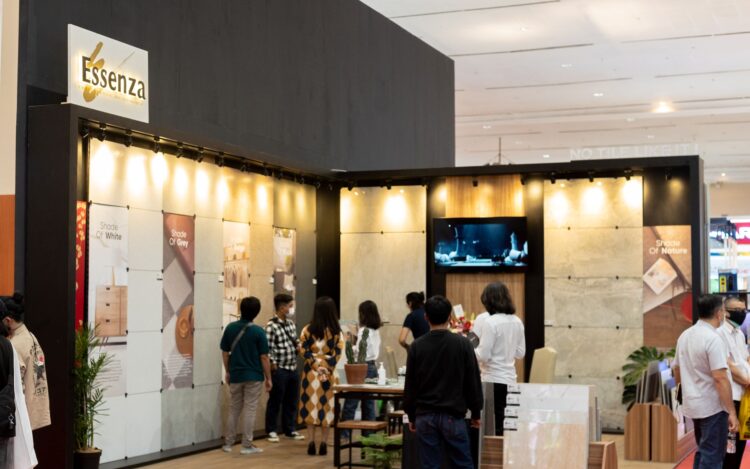
The five items on the AGM agenda are: Approval and ratification of the Annual Reports for the fiscal years ending December 31, 2024, and December 31, 2025; the Business Performance Report; the determination of the Company’s profit and loss; remuneration for the Board of Commissioners and the Board of Directors; Appointment of a Public Accounting Firm, and Changes to the Composition of the Company’s Board of Directors and/or Board of Commissioners. Desra explained that despite the challenges of 2025, IKAI’s business ecosystem continued to record significant growth in its two main business pillars: Manufacturing and Hospitality. This is reflected in the annual production of “Essenza” brand premium ceramic tiles totaling more than 1.1 million m² and an average occupancy rate across all hotels reaching 72.5%. “Under new leadership since the second half of 2025, IKAI has entered the Recovery Phase and is implementing several key strategies to achieve tangible results in restoring its financial position, improving its equity structure, and navigating operational pressures in the manufacturing sector,” said Desra.
Desra further stated that the Board of Commissioners believes the new IKAI Board of Directors, which was appointed in the second half of 2025, has worked tenaciously under challenging conditions. Decisions were made with careful consideration, and each action was carried out with discipline. Given the scale of the challenges faced, the progress achieved by IKAI is significant, and the direction is on the right track. “We have navigated the 2025 Recovery Phase through strategic financial planning, resolving obligations that were weighing on the Company, improving corporate governance, and optimizing business processes across all subsidiary business units.
The results are clear: IKAI’s consolidated revenue reached Rp 148.9 billion, with EBITDA turning from negative to positive at Rp 5.2 billion in Q4; this represents a 71% revenue growth in the final quarter of 2025,” he explained. He added that the 2026 Reconditioning Phase is still ongoing, focusing on strategic planning and working capital strengthening. This year, he said, the company will begin strengthening its third pillar of new revenue—Integrated Land Development—which includes land development, land rights management, utilities, and energy—as its next strategic growth corridor.
“With our foundation now strengthened and momentum built, we are committed to tangible and sustainable growth through disciplined execution, data-driven decisions, and measured risk management,” said Desra. Referring to IKAI’s performance for fiscal year 2025, Desra stated that since the appointment of new management in the second half of the year, the company has systematically implemented a Recovery Phase, which includes: planning financial strategies and resolving obligations that have been weighing on the company, improving corporate governance, and optimizing business processes across all subsidiaries.
“As a result, IKAI’s consolidated revenue reached Rp 148.9 billion, with EBITDA turning from negative to positive at Rp 5.2 billion in Q4, reflecting a 71% revenue growth in the final quarter,” he said. INKA recorded revenue of Rp 75 billion through improvements to production facilities and business processes. INKA restructured its business processes, optimized its primary production line, and settled all obligations to Bank Mandiri: paying off the remaining Rp 22 billion in debt from a Rp 130 billion debt restructuring (PKPU) in 2017.
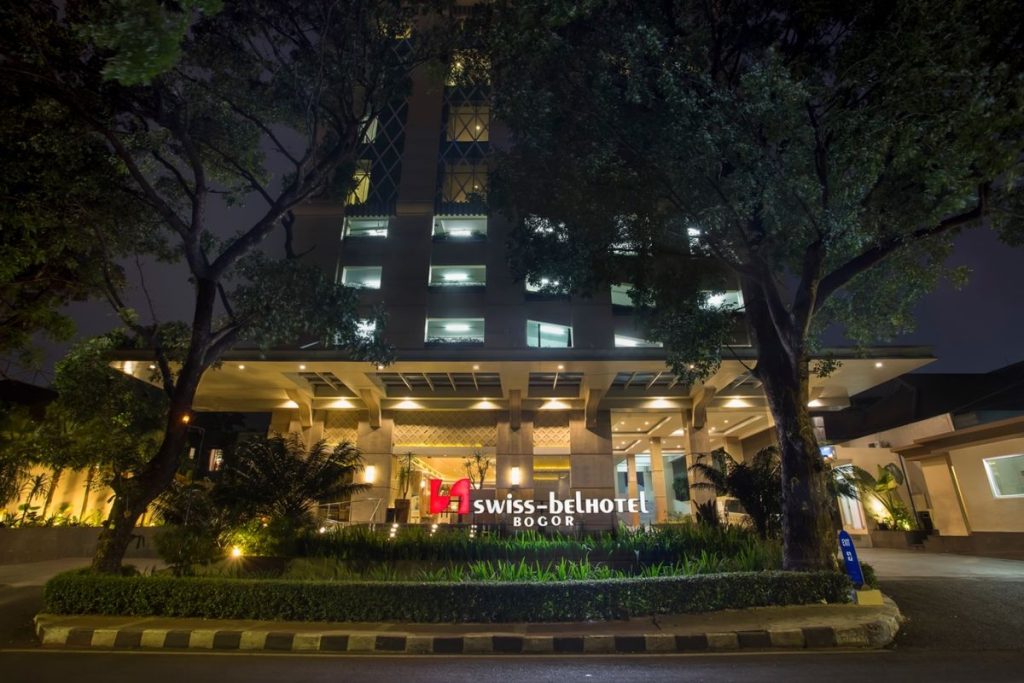
In the hospitality segment, HPI recorded positive EBITDA of Rp 16 billion and SMS of Rp 9.4 billion, with operational recovery gaining momentum in the second half of the year. From the Board of Commissioners’ perspective, IKAI’s Board of Directors has worked tenaciously under challenging conditions. Decisions were made with careful consideration, and execution was carried out with discipline.
A number of initiatives were delayed, and some targets have not yet been fully achieved. However, given the scale of the challenges faced, the progress made is significant, and the direction is on the right track. As we enter 2026, the Reconditioning Phase is proceeding with increasingly strategic planning and strengthened working capital. Revenue projections for 2026 are expected to exceed pre-Major Maintenance levels. In 2027, the Optimization Phase will focus on improving the positive bottom line across all subsidiaries through initiatives that unlock new revenue streams in each unit and foster the growth of new revenue pillars.
The Board of Commissioners is committed to exercising oversight in accordance with the budget, ensuring sustainable profitability, strengthening corporate governance, and conducting a comprehensive review of IKAI’s business portfolio. “We appreciate all the efforts made by the Board of Directors in empowering employees and fostering good communication with shareholders, business partners, and regulators,” said Desra. In addition, Desra revealed that IKAI has established several subsequent phases for real and sustainable growth, namely the Reconditioning Phase in 2026, the Optimization Phase in 2027, and the Expansion Phase beginning in 2028.