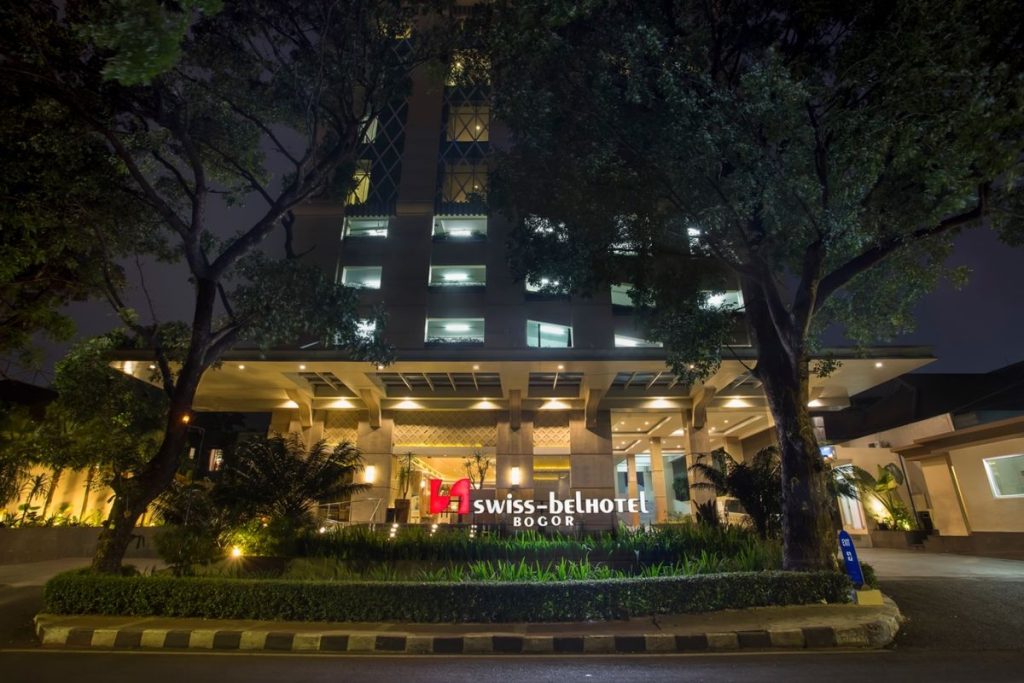
Depok (ANTARA) – The hospitality industry in Indonesia is beginning to strengthen the implementation of sustainability principles as demand grows for a tourism model that not only prioritizes tourist comfort but also protects the environment and ensures operational efficiency.
One such initiative is being implemented by Swiss-Belhotel Bogor, West Java—a subsidiary of PT Intikeramik Alamasri Industri Tbk (IKAI)—which is strengthening its sustainability program through energy and water efficiency, the reduction of single-use plastics, and the use of environmentally friendly chemicals.
This initiative was realized through the launch of the Circular Laundry and Facility Cleaning Pilot Program, a collaboration between Swiss-Belhotel Bogor and Siklus. This program is part of the company’s implementation of an environmental, social, and governance (ESG) framework.
Bernardus Djonoputro, an Independent Commissioner at PT IKAI, stated that the adoption of eco-friendly concepts in the Bogor area has a broader impact because the region serves as one of Jakarta’s buffer zones.“This eco-friendly concept automatically not only reduces pollution around the city of Bogor but also has a positive impact on the capital city of Jakarta,” he said.According to him, strengthening sustainable practices in the hospitality sector can be part of efforts to build a tourism ecosystem that is more environmentally responsible.
PT IKAI CEO Desra Ghazfan emphasized that this step is a tangible manifestation of the company’s commitment to implementing ESG principles.“This proves that Swiss-Belhotel has implemented a framework to measure the sustainability and ethical impact of a business beyond purely financial aspects,” he said.
Heru Wibowo, General Manager of Swiss-Belhotel Bogor, previously explained that the implementation of the eco-green concept is part of the company’s long-term strategy to support the government’s green energy agenda while aligning with international sustainability standards.
Swiss-Belhotel Bogor has become one of the pioneers within its hotel chain in adopting eco-friendly chemical products from Cplus, a product of PT Siklus Indonesia. These products are used in four key areas of hotel operations: laundry, general area cleaning, kitchen cleaning, and furniture maintenance.The materials previously used were formulated for hospital needs, so safety for guests and employees is a top priority.
From a national industry perspective, the program is also aimed at increasing the use of domestically produced products. Approximately 70% of the chemical product components used are locally produced, thereby contributing to an increase in the Domestic Component Level (TKDN).
The implementation of these sustainability principles is also claimed to have an impact on the hotel’s operational efficiency. During the 2025–2026 period, the program is expected to reduce operating costs by up to 30 percent. The efficiency rate is targeted to increase to 40–60 percent by 2030.
In addition to cost efficiency, wastewater management is also a priority. The quality of wastewater is expected to reach a neutral state with a pH of around 7, making it safer for reprocessing and reducing the risk of pollution to river ecosystems.
Meanwhile, efforts to reduce single-use plastic waste have been underway since early 2025 by replacing plastic bottles with refillable glass bottles.
This step indicates that the sustainability agenda in the tourism sector is shifting from mere environmental campaigns to becoming an integral part of business strategy—particularly through cost savings, the use of local products, waste management, and reduced plastic consumption. If implemented more widely, similar practices have the potential to strengthen the transformation of the national tourism industry toward a more efficient business model with a lower environmental impact.
https://megapolitan.antaranews.com/berita/546528/industri-hotel-mulai-perkuat-pariwisata-hijau-efisiensi-jadi-strategi-bisnis