Depok (ANTARA) – The energy transition is beginning to take hold in the national manufacturing sector as industries increasingly seek to reduce carbon emissions while improving operational efficiency.
The use of renewable energy through rooftop solar power plants (PLTS) is one of the measures being implemented in industrial zones to reduce dependence on conventional energy sources.
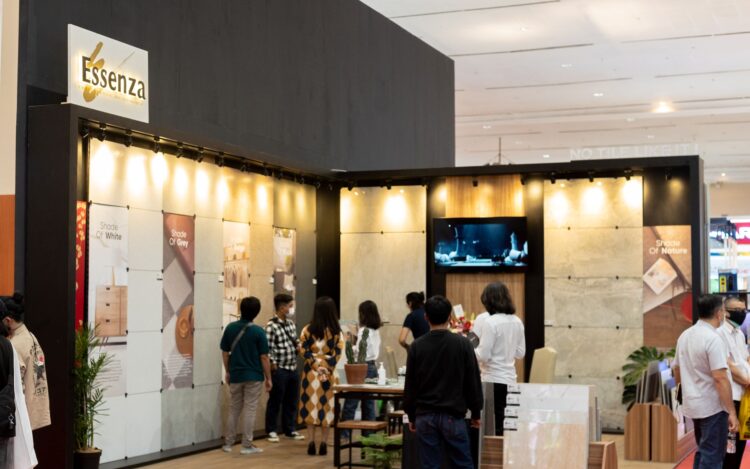
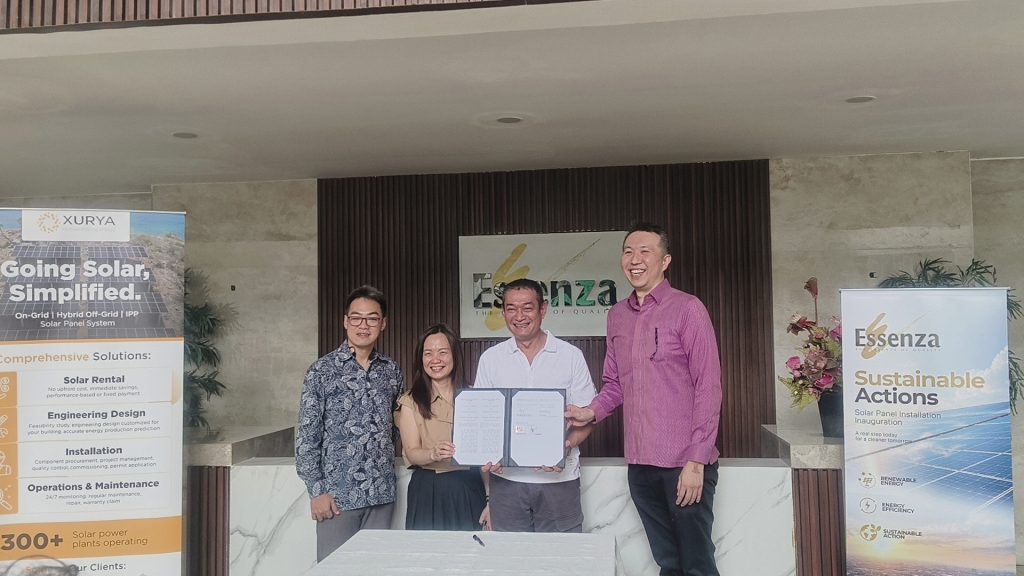
This initiative is being carried out by PT Internusa Keramik Alamasri (INKA), the manufacturer of Essenza-brand porcelain, through a partnership with PT Xurya Daya Indonesia. The collaboration involves the installation and management of a rooftop solar power plant with a capacity of 668.16 kilowatt peak (kWp) at Essenza’s production facility in Jatiuwung, Tangerang.
The system consists of 928 solar panels installed on a 3,860-square-meter area of the factory roof. This use of solar energy is estimated to supply approximately 20.77% of the factory’s total daily electricity needs over the course of a year. In addition to helping meet energy needs, the use of rooftop solar power systems is projected to reduce carbon emissions by up to 727 metric tons of CO₂ per year. This reduction is said to be equivalent to the carbon absorption capacity of approximately 5,000 trees. The magnitude of these emission savings is also likened to the energy required to charge approximately 11,000 electric vehicles.
INKA President Director Desra Firza Ghazfan stated that the installation of solar panels is part of the company’s sustainability transformation, which began at the Essenza production facility in Jatiuwung. “This collaboration is a tangible manifestation of the company’s sustainability transformation. Starting from the roof of the Essenza factory in Jatiuwung, we are taking steps to utilize renewable energy to become Indonesia’s premier ceramic manufacturer that is increasingly environmentally conscious,” said Desra.
According to him, the installation of solar panels complements various green initiatives that have been developed at the production facility. One of these is the implementation of a combined-cycle system that integrates two types of turbines into a single process to generate electricity more efficiently. In addition, Essenza also operates a wastewater treatment system aimed at reducing water consumption in production activities. These various measures are designed to build a more efficient production system while minimizing environmental impact.
INKA Chief Executive Officer Irnantio Witoro Hadi said that the integration of renewable energy is beginning to have an impact on the production area. According to him, this synergy could mark the beginning of clean energy use in various aspects of the factory environment.
Meanwhile, technical monitoring and maintenance of the solar power system are carried out professionally by Xurya. This management is expected to ensure that solar energy is utilized optimally to support the operational needs of the production facilities. The commitment to clean energy is also aimed at supporting Indonesia’s target of achieving Net Zero Emissions by 2060. Meanwhile, the company is developing various sustainability initiatives, ranging from material reuse and increasing production facility efficiency by up to 50 percent to converting waste into energy through the waste-to-energy concept.
This collaboration is part of a long-term partnership to improve operational energy efficiency and expand the use of renewable energy in the manufacturing sector. For the national industry, this step demonstrates that the transition to clean energy is not only about reducing emissions but is also part of a strategy to improve efficiency and strengthen industrial competitiveness.