JAKARTA, investortrust.id – PT Intikeramik Alamsari Industri Tbk (IKAI) posted improved financial performance in the second quarter of 2026, marked by a profit margin of 23% and net income of Rp14.6 billion—a 166% year-on-year (YoY) increase.
This improvement is in line with the company’s ongoing recovery. IKAI recorded revenue of Rp63 billion in the second quarter of 2026, while cost of goods sold improved by 40% compared to the second quarter of 2025. These conditions also drove the gross profit margin up by 43%, reflecting an improvement in revenue quality and the company’s operational efficiency.
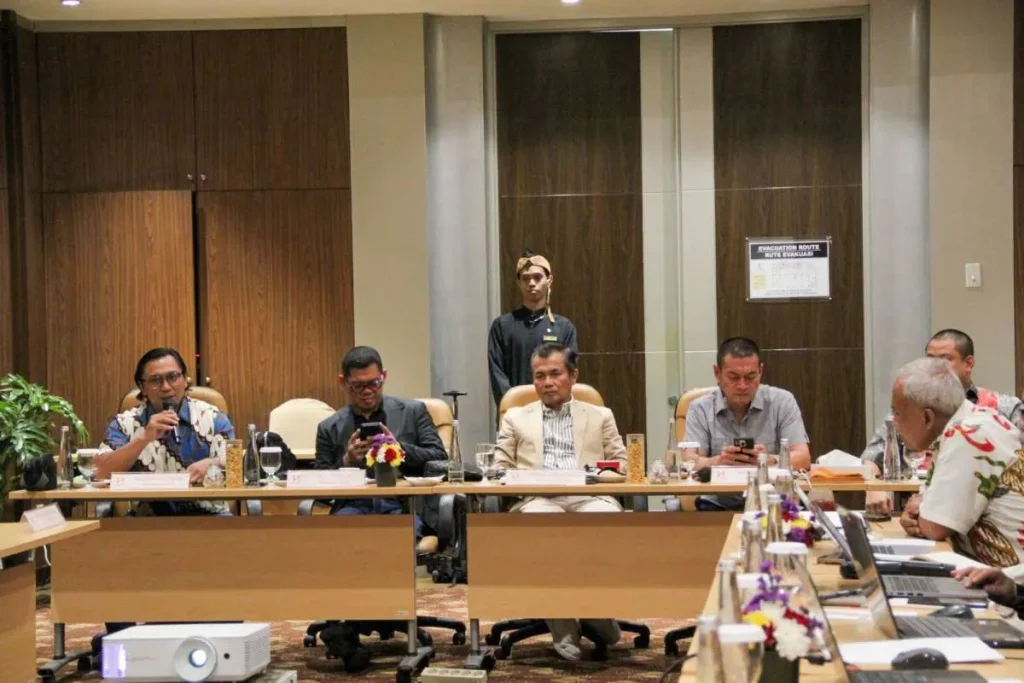
Emirza Eibowo, Director of Intikeramik Alamsari (IKAI), stated that this increase demonstrates an improvement in business performance compared to the previous period, resulting from the company’s ongoing recovery efforts.
“This performance reflects IKAI’s ability to generate sustainable profitability. Operationally, IKAI’s production cost efficiency and pricing strategy remain well-maintained,” said Emirza in a press release in Jakarta on Thursday, August 6, 2026.
According to him, the company has been able to remain competitive during the recovery period by maintaining its selling prices while simultaneously improving production cost efficiency.
Meanwhile, Desra Ghazfan, President Director of Intikeramik Alamsari (IKAI), said that the company’s ability to reduce operating expenses also contributed to a positive operating profit. “This indicates that sales expenses, administrative expenses, general expenses, and other costs have demonstrated successful efficiency measures, thereby contributing to the company’s profitability,” said Desra.
The company recorded an operating margin of 15.75%, with second-quarter 2026 EBITDA reaching Rp 31 billion. According to Desra, this achievement reflects a significant trend of financial recovery in the second quarter of this year.
In addition to posting a net profit of Rp 14.6 billion, the net profit margin reached 23%, representing a 169% increase on a year-over-year basis. This improvement in performance during the second quarter serves as a strong signal of the company’s recovering operational profitability compared to previous periods.
On the balance sheet, IKAI’s total assets stood at Rp1.165 trillion, with cash on hand of Rp28 billion. Total liabilities were at Rp496 billion, including short-term liabilities of Rp160 billion, while total equity reached Rp669 billion.
Liquidity Increases
IKAI also reported an interest coverage ratio of 4.38 times, indicating that operating income is sufficient to cover interest expenses on loans. Prudent debt management is seen as providing the company with financing flexibility to support future business expansion.
The company’s liquidity has also nearly doubled compared to the end of last year. This improvement was supported by positive financing cash flow of Rp 90 billion and positive free cash flow of approximately Rp 24 billion during the recovery period.
In the capital market, IKAI’s market capitalization currently stands at around Rp 293 billion with a Price-to-Book Value (PBV) ratio of 0.44 times. The company believes that a PBV ratio below one indicates that the stock is still trading at a discount, while also opening up opportunities for valuation growth as the recovery in operational performance and profitability continues.
IKAI Chairman Wiliam Daniel stated that the return to positive quarterly EBITDA and net income, a healthy capital structure, and flexible free cash flow form the key foundation for the company’s business sustainability.
“The company has demonstrated a trend of recovery, revenue growth, improved net income for the current period, a relatively healthy capital structure with a low debt ratio, and strong cash flow support—all of which are factors underpinning the company’s business sustainability. “Moving forward, management will continue to focus its strategy on increasing sales volume, improving operational cost efficiency, optimizing working capital, and strengthening operating cash flow to enhance financial performance on a sustainable basis,” he said.